
TATTOOS CAN LIGHTEN SIGNIFICANTLY, BUT COMPLETE REMOVAL ISN'T ALWAYS POSSIBLE

LASER TATTOO REMOVAL

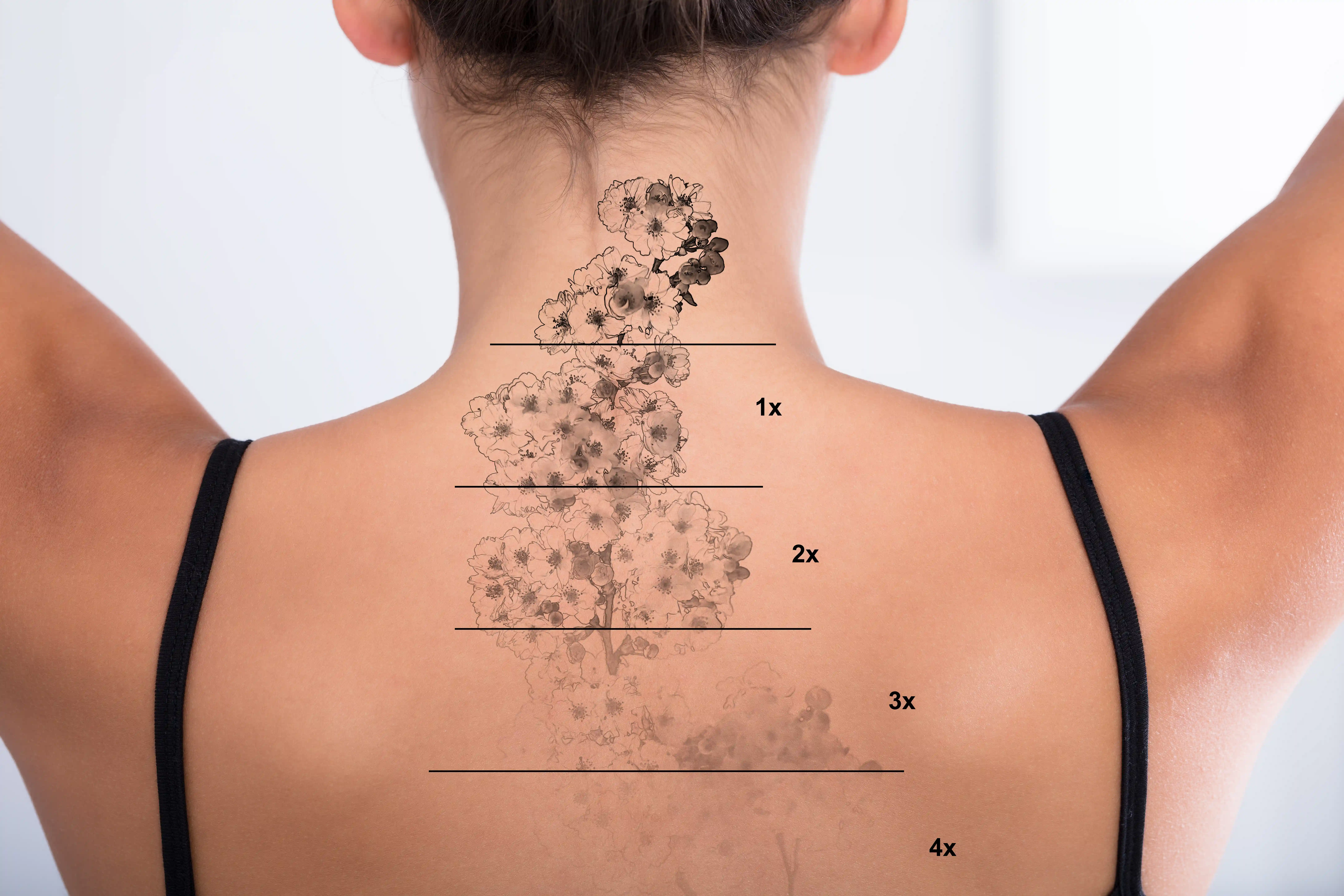
A laser that is used for tattoo removal is a highly focused laser that rapidly delivers a beam of light to the skin for the purposes of removing unwanted tattoos. The laser is attracted by darker colours found in the ink of the tattoo in preference to the lighter colour of the skin. When the beam of the laser strikes the ink in a tattoo it shatters the ink into very fine particles. These particles are then no longer visible to the eye and become small enough to be absorbed and removed by the body’s own natural filtration (lymphatic) system.

The Ultralase Q-Switched Nd YAG Laser is specially designed for the purpose of tattoo removal. This laser allows very high-powered laser light to be delivered to the skin over a fraction of a second. This minimizes any damage that could be caused by overheating the surrounding skin and hence any chance of scarring is greatly reduced.

Generally, treatments are quick and clients experience only minimal discomfort. The older the tattoo, the more treatments may be necessary and different colours and more intricate designs may also require additional treatments.

Pricing Book Online
Treatment Time
Dependent on treatment area
Recommended Intervals
8 to 10 treatments, 8 weeks apart for 80% pigmentation reduction
Recovery time
7-14 days for skin surface to return to normal with proper aftercare

Reason for removing tattoos

Most people get tattooed and bitterly regret the decision further on. What seemed like a good idea at the time can cause a major problem in later life. For some people having a tattoo can mean psychological distress. For others it can mean difficulty in securing employment or going for a promotion however, there are also many people now seeking to reduce or remove previous tattoos in order to make way for new and more modern designs.

Our clinic offers treatments with Q Switched Nd YAG Laser which can remove tattoos containing black, dark and light blue, green and red pigments within 6-12 sessions based on the quality of tattoo. By matching the colour of the laser to the colour of the unwanted tattoo ink, multi-coloured professional tattoos as well as single colour amateur tattoos can be removed safely and effectively.

In General

• With modern laser technology the risk of scarring is very low, however, it is not zero and aftercare is important.
• Black is the easiest colour to remove but some colours can be more resistant.
• Anaesthetic creams can be used to numb the skin prior to laser treatment.
• It is possible to remove or significantly lighten tattoos, but it is not always possible to totally remove a tattoo.
TREATMENT CARE

Pre-treatment care

• The area must not receive any sun exposure for 4 weeks prior to Laser Tattoo Removal treatment

• Must not had IPL/Laser Hair Removal in the tattoo removal area for 2 weeks prior to treatment

• Must not had microneedling or Laser Pigmentation removal in face for 4 weeks prior to treatment (for Laser Pigmentation in body recommended wait is 6 weeks prior to treatment)

• Avoid any form of tanning throughout your treatment. This includes accidental sun exposure, fake tans, colour building moisturisers and the use of solariums.

• If there is hair where the tattoo is located, please ensure you shave the treatment area the day prior to treatment.

• Do not use photosensitizing medications for 2 weeks prior to Tattoo Removal treatments. These can include some antibiotics, antihistamines, antidepressants etc (6 months gap for Roaccutane)

• Prepare the skin with suitable skincare. This will include a tyrosinase inhibitor for Fitzpatrick skin types III+ and any skin prone to post-inflammatory hyperpigmentation. Your treatment provider will advise you of your skincare recommendations.

Post-treatment care

Normal reactions (up to 5 days post-treatment): Sunburn-like sensation, redness, swelling, tenderness, itching/dryness, bruising, pinpoint bleeding; blisters may occur (especially hands/feet)—do not pop or pick, keep clean, covered, and elevated if needed.

Skin changes: Temporary texture and pigmentation changes may occur; most resolve naturally within 6–12 months. Pre-treatment use of tyrosinase inhibitors helps reduce pigmentation risk.

Sun protection (daily): Apply SPF 30+, avoid sun exposure, and cover treated areas when outdoors.

First 24 hours post-treatment: Keep dressing on and area dry; avoid exercise, sweating, and hot showers/baths; elevate the area to reduce inflammation.

Up to 7 days post-treatment: Use Solugel and a clean dressing if blistering, scabbing, or friction risk exists; if uncovered, apply Solugel 2–3 times daily; avoid scented products, pools, spas, and saunas.

Up to 2 weeks post-treatment: Continue Solugel as needed, keep covered if sensitive, avoid exfoliation, shaving, scratching, or friction from clothing.

Frequently Asked Questions

How many treatments are necessary?

It is impossible to accurately predict the number of treatments necessary as it depends on the amount of ink used and how deep the ink was inserted. However as a guide most professional tattoos will require at least six to twelve treatments. Follow up treatments are conducted at no less than 4-6 week intervals. Further fading can occur for several months after each treatment.

Can all types of tattoos be treated?

It is possible to remove or significantly lighten most tattoos. Black, blue and red tattoos tend to respond well. Aqua, green and yellow tattoos may be more resistant and only partially fade. White tattoos reflect laser light and therefore do not respond to laser treatment.

What are the costs likely to be?

Treatment costs will vary depending on the size, colour and time required to treat the tattoo. This can be discussed during your initial consultation.

How frequent are the treatments?

Time is required between each treatment to allow the body’s lymphatic (cleaning) system to remove the ink that has been treated by the laser. A minimum period of six (6) weeks between treatments is recommended.

How long after being tattooed can removal commence?

Removal can commence as soon as the tattoo has completely healed. Although it may appear healed within a week or two the tattoo will still require further time to completely heal prior to removal commencing. A minimum period of six (6) weeks is advised. Your initial consultation can take place at any time during the six weeks.

Can the area be re-tattooed?

Yes, the area can be re-tattooed following laser removal. Whether you have had complete removal, partial removal or just lightening of the area will be able to be re-tattooed. The wish to replace an existing tattoo is a common reason for having laser tattoo removal.

Will the tattoo completely disappear?

In many cases, there will be a 100% clearance of the tattoo. On average, 95% fading is considered a good result. The result depends upon the colour and type of ink used as well as the depth of penetration of the ink in the skin. Your therapist can discuss with you the likeliness of success during your initial consultation.