Hair loss does not just impact on appearance. It affects self-esteem, routine activities, and self-perception in the long term. What may have started off as gentle thinning may slowly evolve into a continued worry, particularly where the root cause is not being taken care of. Scalp-focused hair treatment is a sign of a more profound insight into the nature of hair health and the ineffectiveness of superficial solutions.
Rather than covering up symptoms, modern scalp treatments aim to support follicle recovery, improve scalp health, and encourage natural regrowth. With science-led solutions now available, individuals have more informed and effective options to address thinning hair early and responsibly.
When Hair Thinning Signals a Deeper Scalp Issue
Hair thinning rarely occurs overnight. It tends to develop as a result of the age-related changes, hormonal disorders, stress, inflammation, or diminished cellular activity in the scalp. In the long run, these factors cause weakening of hair follicles, which leads to reduced density, slows down growth and shedding.
The hair follicles pass in systematic stages of development, transition, rest, and shedding. This is the reason the application of topical products or cosmetic solutions may not yield a considerable effect in the case of hair loss. Considering the approach towards the scalp, one can address the problem of the imbalance in one of its manifestations rather than treating the subsequent symptoms separately.
It is essential to intervene with professionals at an early age in order to make the follicles more deteriorated to offer healthier growth.
Understanding What Happens Beneath the Scalp
One needs to know the biological mechanism of hair growth in order to value the fact that scalp hair treatments are effective. Understanding hair growth cycle explains why thinning hair is often progressive. Hair follicles move through structured phases of growth, transition, rest, and shedding.
Disruption to this cycle can cause follicles to weaken or remain inactive for longer periods. Inflammation, oxidative stress, hormonal changes, and reduced circulation all contribute to this disruption. Over time, hair strands become finer and less resilient.
Early detection of these changes with the help of professional scalp assessment allows to focus on treating the problem early before follicles lose their regeneration capabilities.
Exosomes Hair Treatment and Its Role in Scalp Recovery
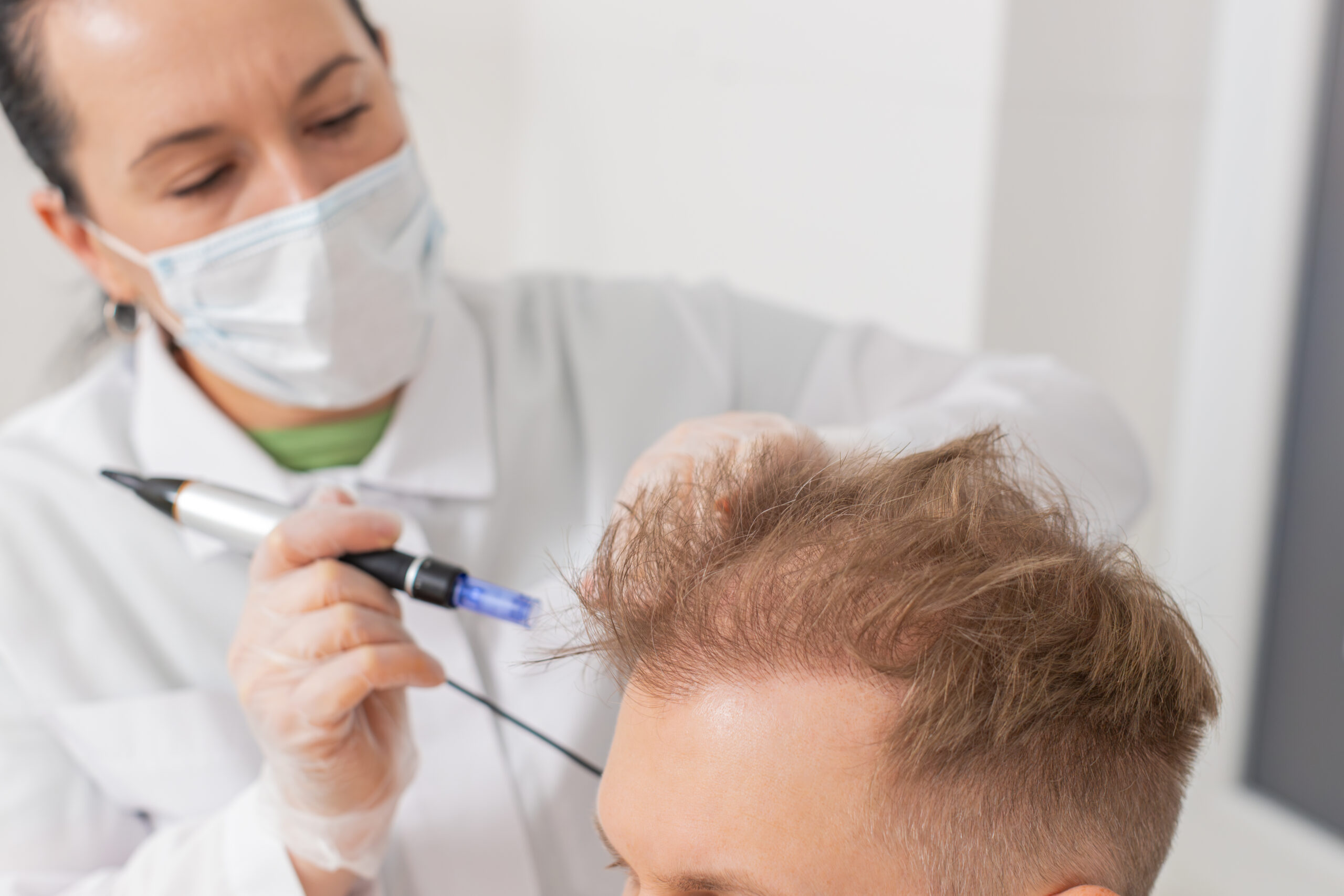
Exosomes Hair Treatment is a superior, scientifically-supported therapy, that aims at reinforcing follicular renewal and hair loss issues. In contrast to the older technology, the treatment is performed on a cellular level as well where regenerative signals are delivered directly to the scalp.
Exosomes are small vesicles (nano size) which are produced by the stem cells. They have growth factors, amino acids, peptides, lipids and genetic material including mRNA. When introduced to the scalp, these bioactive components communicate with hair follicles to support tissue repair and follicle activity.
The use is aimed at inducing new hair growth, re-energizing the weakened or slumbering follicles, decreasing the inflammation and oxidative stress, and improving the overall scalp condition and circulation.
Hair Concerns That Can Benefit From This Treatment
Exosomes hair treatment is particularly suitable for individuals experiencing active hair thinning or recent hair loss where follicles are still viable.
It may help improve:
- • Gradual thinning hair caused by age, genetics, or stress
- • Androgenetic alopecia in both men and women by supporting the growth phase of hair
- • Postpartum hair loss related to hormonal shifts after pregnancy
- • Telogen effluvium triggered by stress, illness, or medication
- • Inflammation-related scalp conditions such as mild irritation
- • Age-related hair weakening due to reduced cellular activity
- • Mild traction alopecia, where follicles remain active
This medication has the benefit of treating inflammation and promoting follicular communication to make the scalp a healthier place to grow.
Hair Loss Conditions This Treatment Cannot Address
It is also significant to make realistic expectations. Exosomes Hair Treatment cannot be applied to all kinds of hair loss.
It cannot treat:
- • Completely bald areas where follicles are no longer active
- • Scarring alopecia or hair loss caused by burns
- • Permanent hair loss from irreversible follicle damage
- • Advanced autoimmune conditions where follicles are destroyed
The effect of this treatment is best seen when it is commenced at an early stage before permanent loss of follicles is experienced.
Supporting Your Results With Scalp-Conscious Habits
Although professional treatment is the primary factor, everyday habits determine the level of scalp health and treatment results. Mild cleaning, avoiding excess heating of the hair, ensuring a balanced diet, and eliminating stressors contribute to the healing of the scalp and a decrease in the extraneous load of the follicle. These are not the practices that substitute clinical treatment rather they supplement the treatment and assist in ensuring a healthy environment to grow hair.
Conclusion
Scalp hair treatment for thinning and hair loss has evolved into a targeted, science-led approach that prioritises follicle health and scalp balance. Since the approach to treatment is made on cellular communication and an early intervention, individuals are provided with a better understanding of the treatment direction, allowing them to recover the density of hair and the vitality of the scalp. Individual evaluation is the surest way to begin the process of familiarizing oneself with suitability and attaining sustainable outcomes.
Get in touch with NewSkin Laser Clinics today.