
Slow growth and loss of hair are disappointing experiences. Noticing bald patches on their heads or failing to experience an even regrowth after removing the hair, many people in both cases face the same problem with one key factor: the hair growth cycle.
With the understanding of the cycle, treatment becomes more effective, and expectations are more realistic. Such knowledge is paramount before considering any hair regrowth therapy.
The Basics of Hair Growth
The process of hair growth is natural and cyclic. Neither does it occur suddenly nor constantly. Instead, individual hair strands go through a series of phases, each of which impacts hair growth, the resting and shedding period and the growth period. Knowing about these stages also makes sense of why hair behaves as it does and why timing is so important when it comes to effective hair regrowth.
This cycle also explains why concerns related to brazilian hair removal, such as uneven regrowth or timing of treatments, require careful consideration to achieve the best results.
The Hair Growth Cycle Explained
There are various primary stages in the natural hair growth cycle. Knowledge of these stages assists in understanding why hair sheds and grows back irregularly, and how the timing controls the efficiency of the therapy. The hair growth cycle has four main phases.
1. Anagen Phase (Growth Phase)
The growing cycle in which hair follicles generate hair cells, and the size of the hair increases. This stage usually takes place within 3-5 years.
2. Catagen Phase (Transition Phase)
During the brief period of two weeks, hair growth stalls, and the follicle reduces in size and gears up to enter a resting period.
3. Telogen Phase (Resting Phase)
The hair follicles become dormant, and the hair strands are stationary, though they no longer grow. This stage is approximately three months, during which shedding of old hairs takes place naturally.
4. Exogen Phase (Shedding Phase)
The old hair falls out, making room for new hair growth. This phase overlaps with the start of the next anagen phase.
Hair fall and re-growth do not occur all at once, as not all hairs are in the same phase at a given time. This is a vital cycle in planning hair regrowth treatments, such as the exosome therapy provided.
Why Understanding the Cycle Makes a Difference
This cycle is crucial because it will enable you to plan and understand the effect of restoring the hair. Here’s why:
• Treatment Timing Matters: The growth phase also presents better chances of hair follicle stimulation, because the treatments will be more effective during this phase.
• Hairs Are Out of Sync: This makes the process of hair shedding and regrowth a gradual process rather than a single task.
• Multiple Sessions Are Necessary: For treatments like exosome therapy or hair removal, targeting hair during active growth phases requires patience and repeated sessions.
• Avoiding Ineffective Efforts: Treatment during the resting or shedding phase may not produce immediate results, which makes understanding the cycle vital in ensuring the establishment of realistic expectations.
Factors That Influence the Hair Growth Cycle
A variety of simple factors may delay or interrupt the cycle of hair growth and result in impaired hair health and the possibility of effective hair regrowth:
• Nutritional Deficiencies: Lack of essential nutrients, such as protein and iron, can delay hair growth phases.
• Hormonal Changes: Pregnancy, menopause, and thyroid issues can alter the normal hair growth cycle.
• Hair Damage: Frequent heat styling or chemical treatments weaken follicles and interfere with growth.
• Stress: Elevated stress levels push hair follicles prematurely into resting phases, increasing shedding.
Acknowledging these factors is vital for managing hair regrowth effectively.
Exosomes Hair Regrowth Treatment: How It Fits In
The exosome hair regrowth treatment is the latest development in hair regrowth. It is a highly reduced invasive treatment based on exosomes of stem cells in the form of microscopic messengers. These particles contain unit growth factors and proteins, which respond directly to hair follicles.
During treatment, purified exosomes are delivered into the scalp through microneedling. This process:
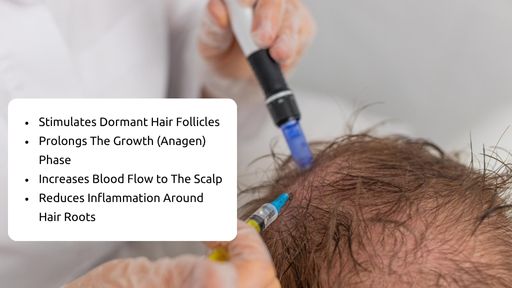
- • Stimulates dormant hair follicles
- • Prolongs the growth (anagen) phase
- • Increases blood flow to the scalp
- • Reduces inflammation around hair roots
The outcome is thicker, healthier hair showing noticeable results within 2 to 3 months. An average patient will need around 4-6 sessions after a few weeks and may still improve after 6 to 12 months.
Exosomes therapy is the best for early-stage thinning, hormonal hair loss, and pattern baldness. It aids in the hair growth cycle to maintain regular regeneration, so that the hair grows naturally on your scalp.
Conclusion
A cyclical pattern of hair growth organises how hair grows, rests and sheds. The knowledge of this cycle is what makes hair regrowth effective and contributes to understanding why some solutions are most effective when used at a particular time. It further explains why shedding and regrowing hair is slow, and patience is required.
For those looking to address early thinning or enhance their hair’s natural growth, NewSkin Laser Clinics offers professional expertise every step of the way.